
How Much Does It Cost to Charge an Electric Car in Brisbane?
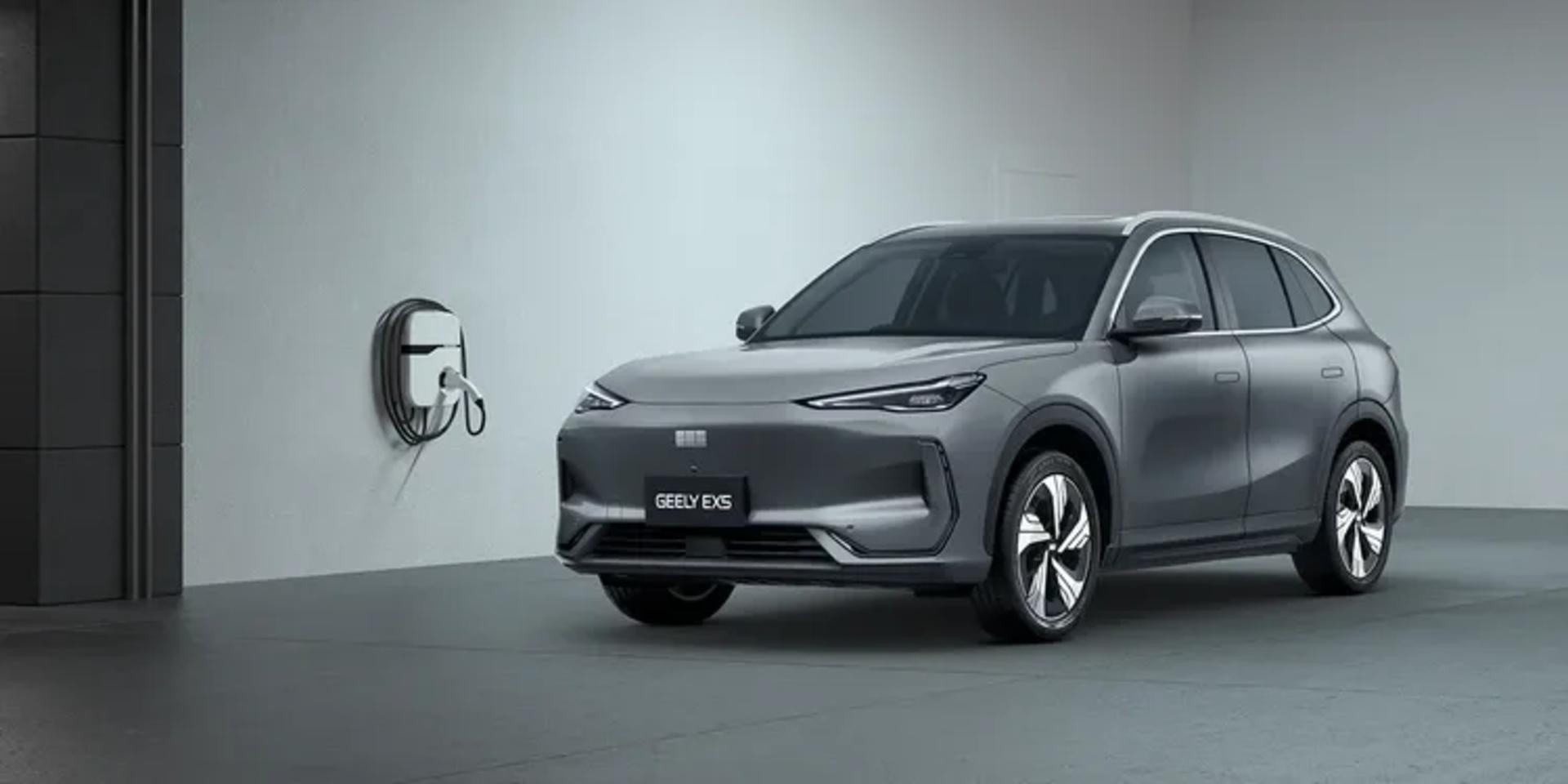
Charging an electric car at home in Brisbane can cost less than fuelling a comparable petrol car, but the exact difference depends on your electricity rate, the efficiency of the EV and how and where you charge.
As a simple example, adding 50 kWh of energy at an electricity rate of 30 cents per kWh would cost around $15 before charging losses. The actual cost for your EV will depend on how much energy you add and the electricity rate you pay.
For most EV owners, however, charging is not about waiting until the battery is empty and then filling it back to 100%. If you can charge at home, it is usually more like charging your phone. You plug in when needed and top up the energy you have used.
So, what does EV charging actually cost for Brisbane drivers?
How do you calculate the cost of charging an electric car?
You can get a rough estimate of your home charging cost with a simple calculation:
Energy added (kWh) × electricity rate ($/kWh) = approximate charging cost
For example, if you add 50 kWh to your EV and pay 30 cents per kWh for electricity:
50 kWh × $0.30 = approximately $15
If you only need to add 20 kWh after a few days of driving:
20 kWh × $0.30 = approximately $6
Your actual cost may be slightly higher because some energy is lost during the charging process.
There is no single electricity rate that applies to every Brisbane household. What you pay depends on your electricity retailer, plan and tariff, so check your latest electricity bill when calculating what a particular EV may cost you to charge.
How much does it cost to drive an EV 100 km?
Another useful way to compare electric cars is to look at how much electricity they use per 100 km.
EV efficiency is generally expressed as kilowatt-hours per 100 kilometres (kWh/100 km).
For example, if an electric car uses 17 kWh/100 km and your electricity rate is 30 cents per kWh:
17 kWh × $0.30 = approximately $5.10 per 100 km
Example EV charging cost per 100 km
| Hybrid (HEV) | Plug-in Hybrid (PHEV) | Electric (BEV) | |
|---|---|---|---|
| Petrol engine | Yes | Yes | No |
| Electric motor | Yes | Yes | Yes |
| Plug in to charge | No | Yes | Yes |
| Electric-only driving | Limited and model dependent | Yes | Yes |
| Uses petrol | Yes | Yes | No |
| Home charging needed | No | Not essential, but regular charging makes better use of its EV capability | Recommended for convenience |
Example based on an EV consuming 17 kWh/100 km. Actual energy consumption and charging costs will vary depending on the vehicle, electricity plan, charging losses, driving conditions and other factors.
This is why it is important to look at more than battery size when comparing EVs. Two electric cars with similarly sized batteries can have different running costs if one uses more electricity per 100 km.
Can you save money by charging your EV off-peak?
Potentially.
Electricity pricing in Brisbane and South East Queensland varies between retailers and tariff types. Some households pay a flat rate, while others use time-of-use pricing where electricity prices vary at different times of the day.
If your electricity plan offers cheaper periods, a compatible EV or home charger may allow you to schedule charging to start automatically during those times.
Instead of plugging your car in at 6 pm and immediately drawing power, for example, you may be able to plug it in when you arrive home and schedule the actual charging for later.
Before setting a charging schedule, check the tariff and rates that apply to your household. Energex has a useful breakdown of residential electricity tariffs.
Can solar make charging an EV cheaper?
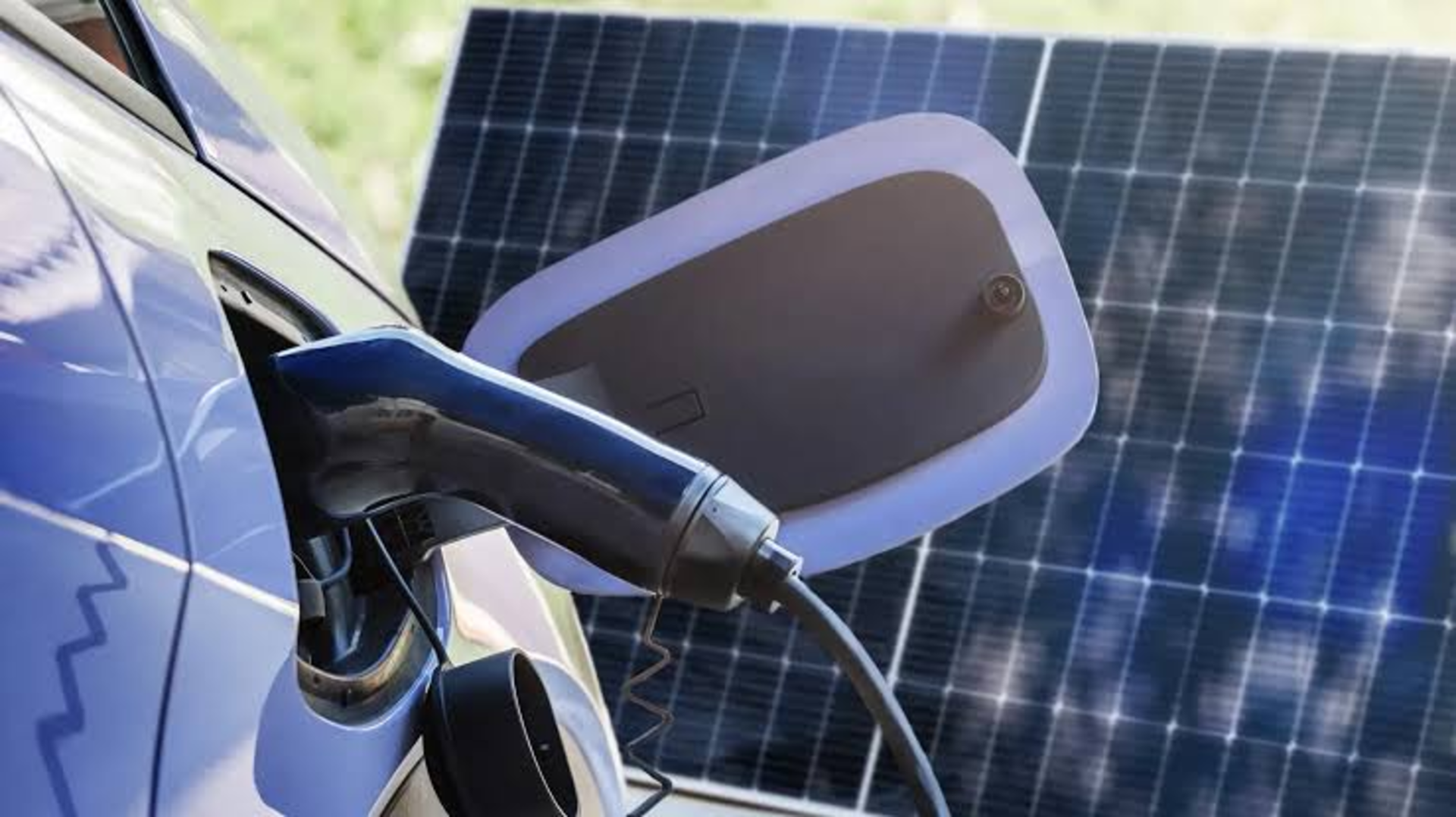
If you already have rooftop solar, charging your EV while your system is generating electricity may reduce the amount of electricity you need to purchase from the grid.
How much you could save will depend on factors including:
- How much solar electricity your home generates
- How much electricity your household is using at the same time
- Your electricity tariff
- Your solar feed-in tariff
- When your EV is normally parked at home
- How much energy your EV needs
This can make daytime charging particularly worth considering for people who work from home, have flexible schedules or regularly have their vehicle parked at home during the day.
Solar does not make EV charging automatically free, but it can change the economics of home charging considerably depending on your individual setup.
Is public EV charging more expensive than charging at home?
It can be.
Public EV charging prices vary between charging networks, locations and charger speeds. Some public chargers may be free to use, while others charge per kilowatt-hour or require an account or membership.
DC fast and ultra-rapid chargers can add range much faster than a standard home power point or typical home charger. That speed and convenience can also mean a higher charging cost.
For that reason, many EV owners use a combination of:
- Home charging for regular everyday driving
- Public fast charging when travelling longer distances or when they need to add range quickly
If most of your charging can be done at home, your overall charging costs may therefore look very different from someone who relies heavily on public fast chargers.
Do you need to fully charge an EV every night?
No.
One of the biggest misconceptions about electric cars is that you need to wait until the battery is almost empty and then charge it back to full.
For many owners, EV charging is simply about replacing the energy used during the day.
If your commute, school run, shopping and other driving uses 15% of your battery, for example, you may only need to replace roughly that amount rather than recharge the entire battery.
Charging recommendations can also differ between EV models and battery types, so follow the manufacturer's guidance for your particular vehicle.
Is home charging practical for driving around Brisbane?
For many drivers, yes.
Think about a normal week rather than the longest road trip you might take each year.
If most of your driving involves commuting into Brisbane, travelling around Wynnum and the Bayside, school runs through the Redlands, shopping or weekend trips around South East Queensland, you may only use a portion of an EV's available range each day.
If the car is then parked at home overnight, you potentially have hours available to replace the electricity you have used.
The Australian Government says around 80% of reported EV charging in Australia takes place at home, which is why access to home charging is an important consideration when deciding whether an EV is right for you.
What affects the cost of charging an electric car?
Your electricity rate is only one part of the calculation.
The actual cost of running an EV can also be affected by:
- Battery size
- Vehicle efficiency
- Charging losses
- How and where you charge
- Driving speed
- Traffic conditions
- Air conditioning and climate control
- Vehicle load
- Driving style
- How frequently you use DC fast chargers
If you are comparing two electric vehicles, look at their energy consumption in kWh/100 km as well as their battery capacity and claimed driving range. The Electric Vehicle Council publishes useful information about electric vehicles in Australia.
Is an electric car cheaper to run than a petrol car?
It can be, particularly when an EV is regularly charged at home, but there is no single figure that applies to every driver.
To make a meaningful comparison, look at the energy cost per 100 km for the EV and compare it with the fuel cost per 100 km of the petrol vehicle you are considering.
For an EV:
kWh/100 km × electricity price = energy cost per 100 km
For a petrol vehicle:
L/100 km × petrol price = fuel cost per 100 km
This gives you a much more useful comparison than looking at the price of one full EV charge versus one full tank of petrol.
RACQ's electric vehicle information is also a useful resource when researching EV ownership in Queensland.
Thinking about switching to an electric car?
Charging costs are only one part of choosing the right electric vehicle.
You should also consider how far you normally drive, whether you can charge at home, battery size, driving range, AC and DC charging speeds and how frequently you take longer trips.
Bartons offers a growing range of electric, hybrid and plug-in hybrid vehicles across our Wynnum and Capalaba dealerships, making it easier to compare different powertrains and find an option that suits the way you drive around Brisbane.
Not sure whether a fully electric vehicle is right for you?
Frequently Asked Questions
How much does it cost to fully charge an electric car in Brisbane?
How much does it cost to charge an EV for 100 km?
Is it cheaper to charge an EV at home or at a public charger?
Can I charge an electric car using solar panels?
Do I need a special charger to charge an EV at home?
Should I charge my EV to 100% every day?
Written by Pauline Caratao, EV and Hybrid Specialist at Bartons Motor Group
Last updated: October 2026