
EV Home Charging in Brisbane: What You Need to Know

If you're thinking about buying an electric car, one of the first questions is usually pretty simple: how am I actually going to charge it at home?
For many Brisbane drivers, home charging is where most EV charging happens. In fact, the Australian Government says around 80% of reported EV charging in Australia takes place at home.
Depending on how far you drive and which EV you own, charging at home could be as simple as using a suitable standard power point. For faster charging, you can also have a dedicated EV charger installed.
Here's what you need to know before deciding which setup is right for you.
Can you charge an electric car from a normal power point?
Yes.
Many electric vehicles can be charged from a suitable standard household power point using the appropriate EV charging cable.
This is commonly known as Level 1 or trickle charging.
A standard Australian power point can provide up to around 2.4 kW of charging power. Because of the relatively low power, it is the slowest way to charge an EV and a full charge can take considerably longer than with a dedicated charger.
But a full charge isn't necessarily what you need every night.
If you've only used a small portion of your battery driving to work, doing the school run or getting around Brisbane during the day, you may only need to replace the energy you've used.
For some drivers, overnight charging from a suitable household power point may be enough for their everyday driving.
Always follow the charging instructions for your particular vehicle. The Australian Government also recommends plugging an EV charging cable directly into the power point rather than using an extension cord or power board.
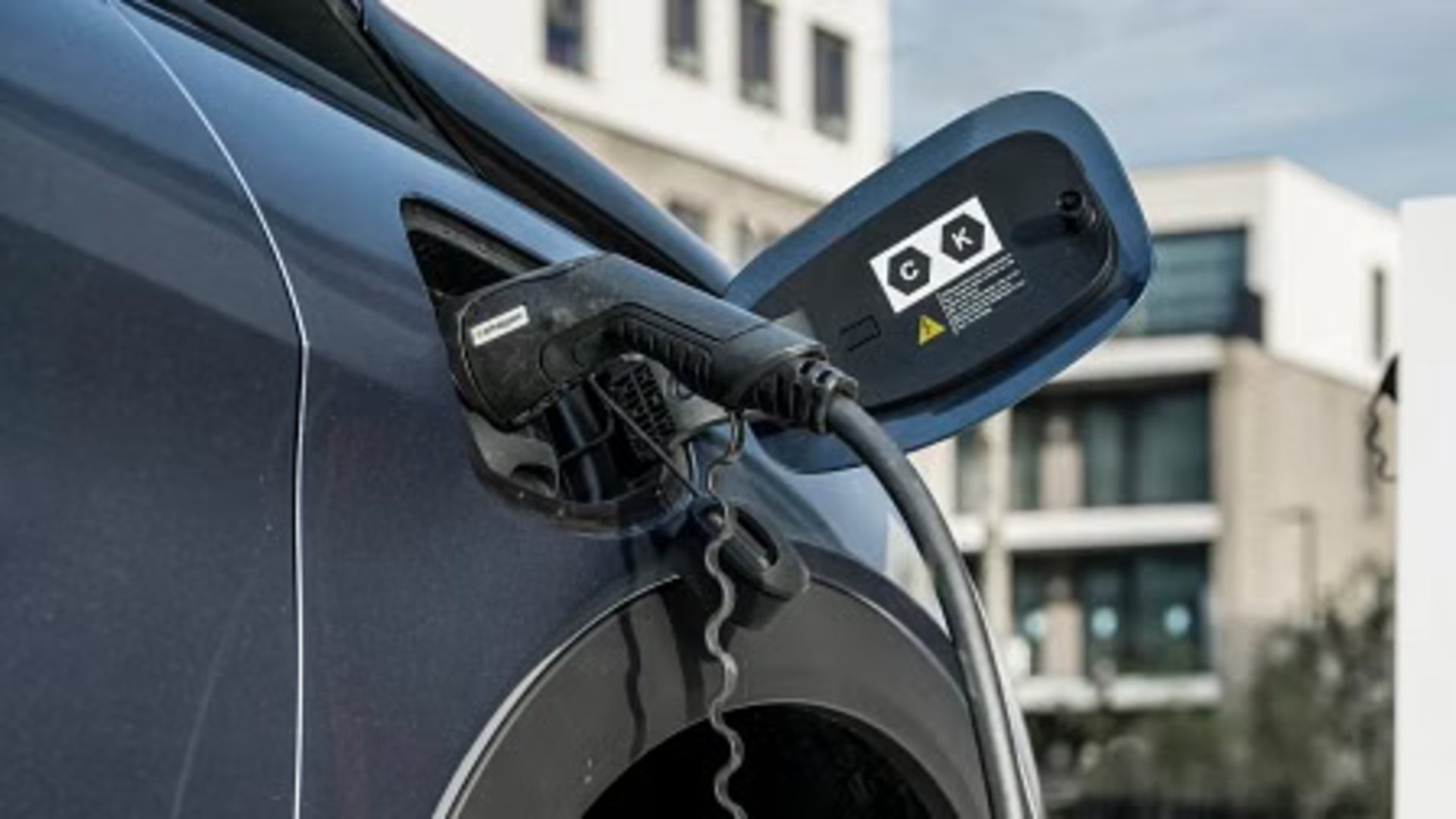
What is a dedicated home EV charger?
A dedicated EV charger, often referred to as a Level 2 or wall charger, provides considerably faster charging than a standard power point.
Dedicated home EV chargers generally operate between 7 kW and 22 kW and can typically add around 30 to 80 km of driving range for every hour of charging, depending on the vehicle and charging setup.
A dedicated charger can be particularly useful if you:
- Drive longer distances regularly
- Have a larger EV battery
- Want faster overnight charging
- Want to schedule when your vehicle charges
- Have rooftop solar
- Want to make use of different electricity tariffs
A dedicated home charger needs to be installed by a licensed electrician.
Depending on your property and existing electrical setup, installation may also require changes to your switchboard or electricity supply.
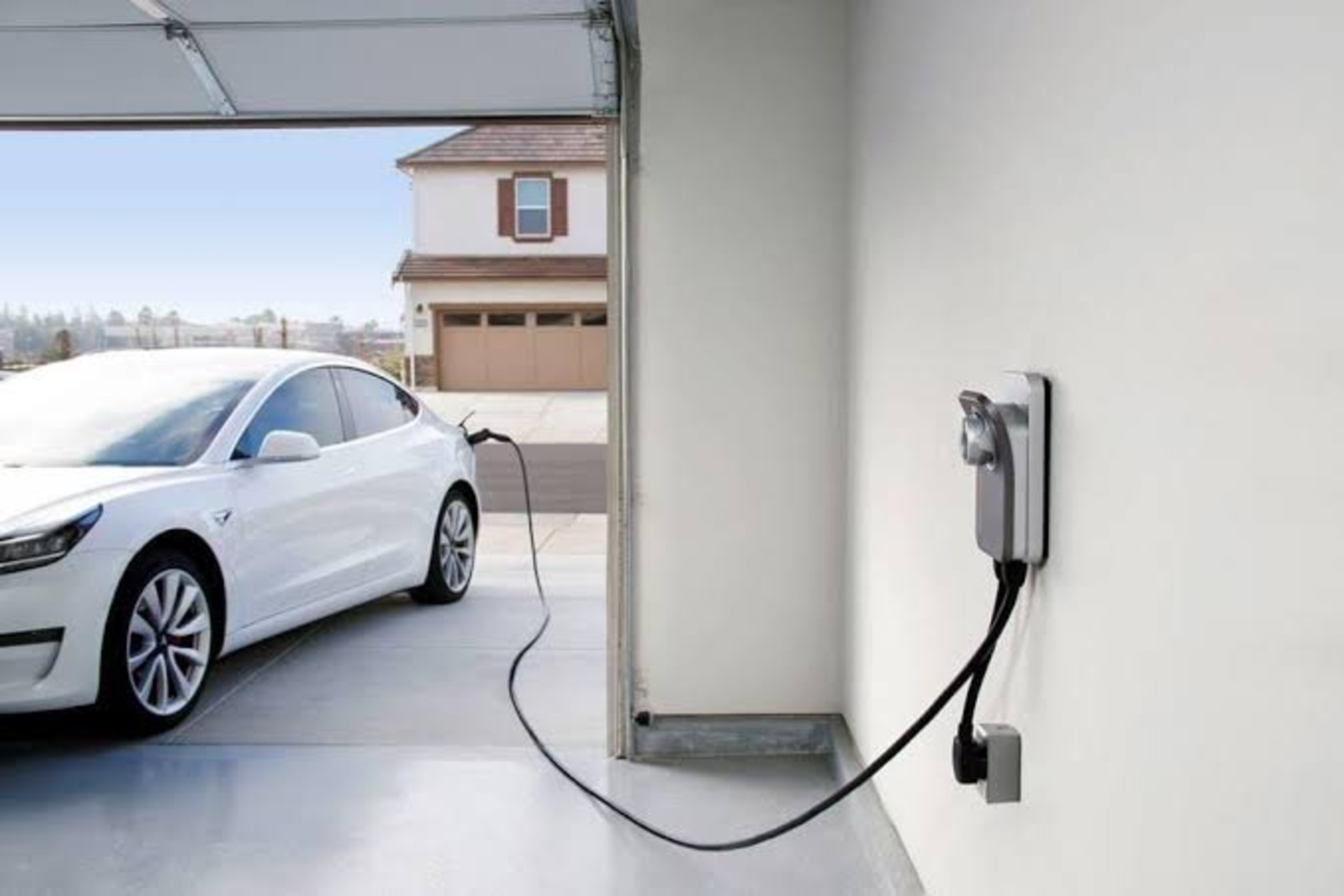
Do you need three-phase power for an EV charger?
Not necessarily.
The charging setup you need depends on your home, your vehicle and how quickly you actually need to recharge it.
Faster isn't automatically better.
If your EV is normally parked at home overnight, you could have many hours available to replace the energy you've used during the day.
Before installing a charger, have a licensed electrician assess your property and discuss the type of vehicle you're planning to charge.
They can look at your electrical supply, switchboard, parking location and charging requirements before recommending a suitable setup.
How long does it take to charge an EV at home?
There isn't one charging time that applies to every electric vehicle.
Charging time depends on:
- Battery size
- How much charge is already in the battery
- How much energy you need to add
- The maximum AC charging rate of your EV
- The power available from your charger
- Battery temperature and vehicle settings
A standard power point can take up to around 24 hours to fully charge some EV batteries, while a dedicated Level 2 charger is typically around three to ten times faster.
But there's a better question to ask than:
How long does an EV take to charge from 0% to 100%?
For everyday driving, ask:
How long will it take to replace the range I used today?
If you've only used a small part of the battery driving around Brisbane, you may have more than enough time to replace that energy while the car is parked overnight.
Do you need to charge an EV every night?
Not necessarily.
How often you charge will depend on how far you drive and the range of your vehicle.
Some drivers may plug in most nights. Others may only need to charge a couple of times a week.
If your normal driving involves commuting into Brisbane, travelling around Wynnum and the Bayside, school runs through the Redlands and weekend errands, you may only use part of your available battery each day.
You also don't necessarily need to charge to 100% every time.
Charging recommendations differ between vehicles and battery types, so follow the manufacturer's recommendations for your particular EV.
Can you schedule an EV to charge overnight?
Many EVs and dedicated home chargers allow you to schedule charging.
That means you can plug the car in when you get home but tell it to start charging later.
This can be useful if your electricity plan has cheaper periods during the day or night.
Your electricity rates will depend on your retailer, plan and tariff, so check your electricity bill before deciding when it makes the most sense to charge.
Want to know what that could mean in dollars? Read our guide to How Much Does It Cost to Charge an Electric Car in Brisbane?
Can you charge an EV with solar panels?
Yes.
If your EV is at home while your rooftop solar system is generating electricity, some of that solar energy may be available to charge your vehicle.
How much you could save depends on your:
- Solar generation
- Household electricity consumption
- Electricity tariff
- Solar feed-in tariff
- Charging setup
- Time of charging
Some smart chargers can also be configured to make better use of available solar generation.
Solar doesn't automatically make charging your EV free, but for the right household it can reduce how much electricity needs to be purchased from the grid.
Do you actually need a dedicated EV charger?
Not everyone does.
If you drive relatively short distances each day and your EV spends plenty of time parked at home, charging from a suitable standard power point may be enough for your needs.
If you drive further, have a larger battery or want faster and more flexible charging, a dedicated home charger may be more practical.
The best charging setup isn't necessarily the fastest one.
It's the setup that can comfortably replace the energy you use while fitting your vehicle, home and driving habits.
What should you check before buying an EV?
Before choosing an electric vehicle, think about:
- Where the car will normally be parked overnight
- Whether there is a suitable power point nearby
- Whether you could install a dedicated charger
- How far you normally drive each day
- Whether you have rooftop solar
- Your electricity tariff
- The vehicle's AC charging capability
- How often you expect to use public charging
Understanding how you're going to charge before buying can make choosing the right EV much easier.
Explore electric cars in Brisbane
Bartons offers a growing range of electric, hybrid and plug-in hybrid vehicles across Wynnum and Capalaba.
Compare battery sizes, driving ranges and charging capabilities to find an option that suits the way you drive around Brisbane.

Frequently Asked Questions
Can I charge an electric car from a normal power point?
How fast is a home EV charger?
Does an EV charger need to be installed by an electrician?
Do I need three-phase power for an EV?
Can I charge an EV using solar?
Do I need to charge my EV every night?
Written by Pauline Caratao, EV and Hybrid Specialist at Bartons Motor Group
Last updated: October 2026