
How Much Can a Ute Actually Tow and Carry? A Buyer's Guide
By Michael Atkinson, Dealer Principal at Bartons Capalaba. Last updated 2 September 2026.
Choosing a work Ute isn't as simple as picking the biggest towing number on the spec sheet. Payload, towing capacity, tray dimensions and how those numbers interact with each other all matter, and getting it wrong can leave you with a vehicle that's technically impressive but practically useless for the job you actually bought it for.
At Bartons Capalaba, we see this play out constantly with tradies and small business owners across the Redlands and Bayside area, from landscapers and builders to delivery and service businesses covering the local patch. Here's what customers ask us most, the myths worth clearing up, and how the popular options on the market actually compare.
The questions we get asked most
Three questions come up again and again from Ute buyers:
"What's the actual payload once I've fitted a canopy, toolboxes or a bullbar?" Advertised payload figures are for the base vehicle. Every accessory you add eats into that number, so the payload on the spec sheet is a ceiling, not what you'll actually have available once the vehicle's set up for work.
"Can I tow my trailer and still carry a full load?" This is where most people get caught out, and it's worth its own section below, because the answer is very often no.
"How wide is the tray, and will it fit a standard pallet?" Tray width varies by model and matters a lot if you're regularly moving palletised goods. It's worth checking actual internal tray dimensions against what you need to carry, rather than assuming all Utes are roughly the same.
The towing vs payload myth that catches people out
Here's a myth we hear constantly: that a high towing capacity automatically makes a Ute a good all-round work vehicle. It doesn't, and understanding why comes down to two figures most buyers never think to check: GVM (Gross Vehicle Mass) and GCM (Gross Combination Mass).
GVM is the maximum weight of the vehicle itself, fully loaded, with no trailer attached. GCM is the maximum combined weight of the vehicle and trailer together. The problem is that towing capacity and payload capacity both draw from the same GCM limit, so maxing out one seriously eats into the other.
In practical terms: if you're towing at or near a Ute's maximum braked towing capacity, you can end up with barely any payload left in the tray, sometimes as little as 400kg, before you hit the vehicle's legal limit. Go over that limit and you're not just risking a fine, you're driving a vehicle that's uninsured in the event of an accident, because insurers can decline claims on vehicles operating outside their rated limits.
The takeaway: don't just look at the maximum towing figure. Look at what payload you actually have left once you factor in a loaded trailer, and make sure that number works for how you'll genuinely use the vehicle.
How the popular Utes actually compare
Every current-generation Ute makes trade-offs between towing and payload. Here's how five of the most popular options stack up:
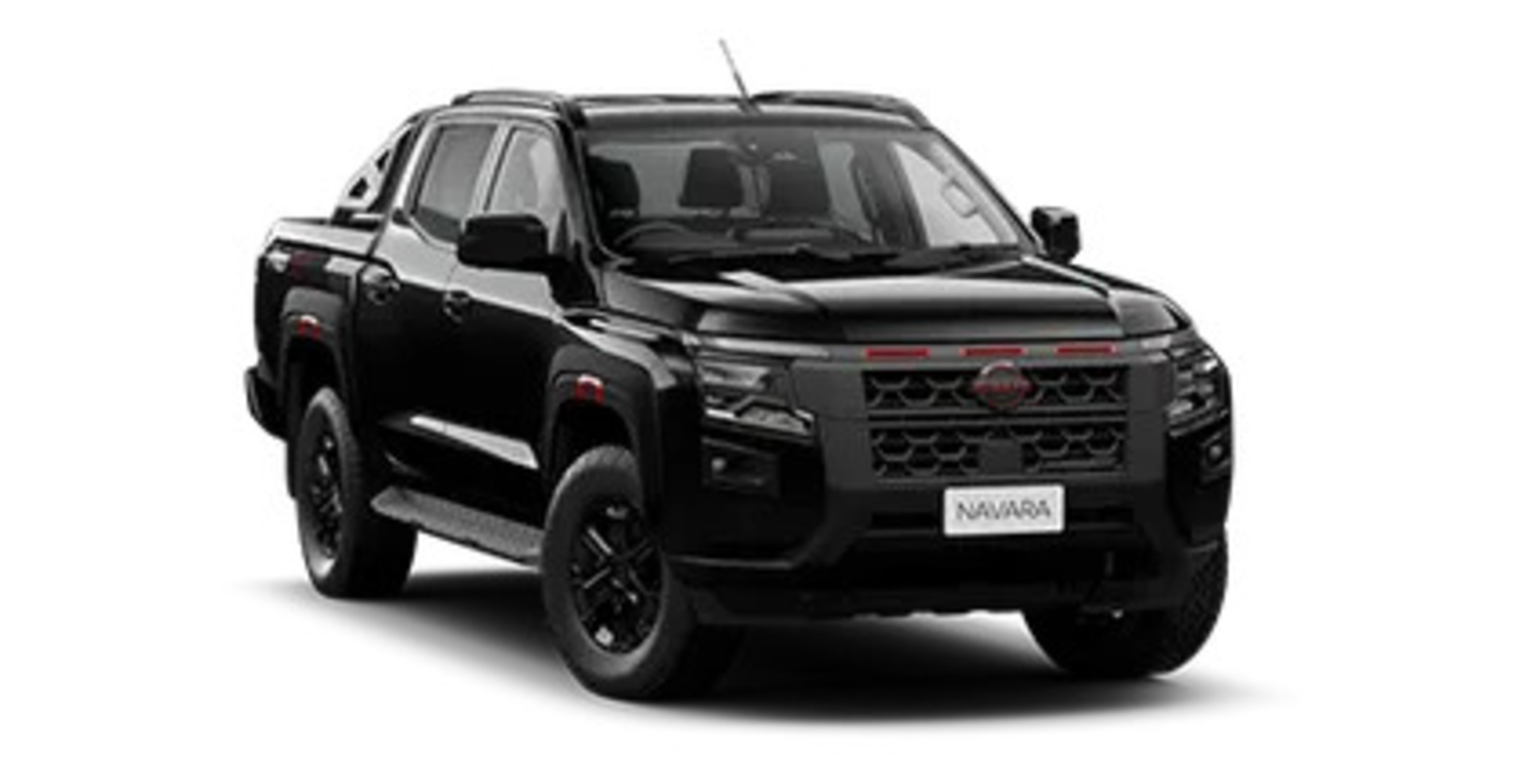
• Nissan Navara. Offers a full 3,500kg braked towing capacity across every grade, with no stripped-back entry variant that reduces capacity. Payload is strong on lower grades (up to 1,064kg on the SL), though it drops on the higher-spec Pro-4X (964kg) as heavier standard equipment eats into it.
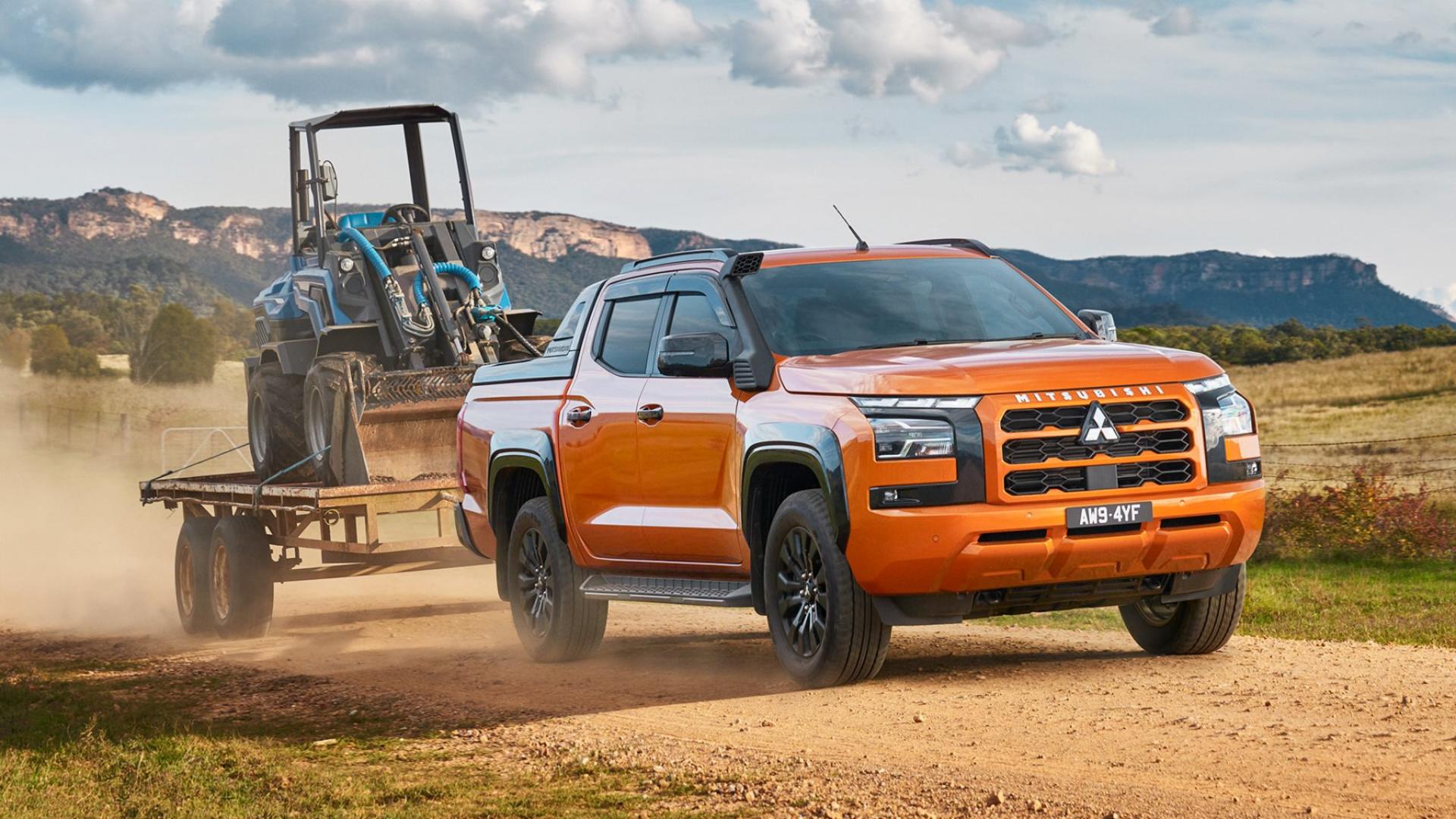
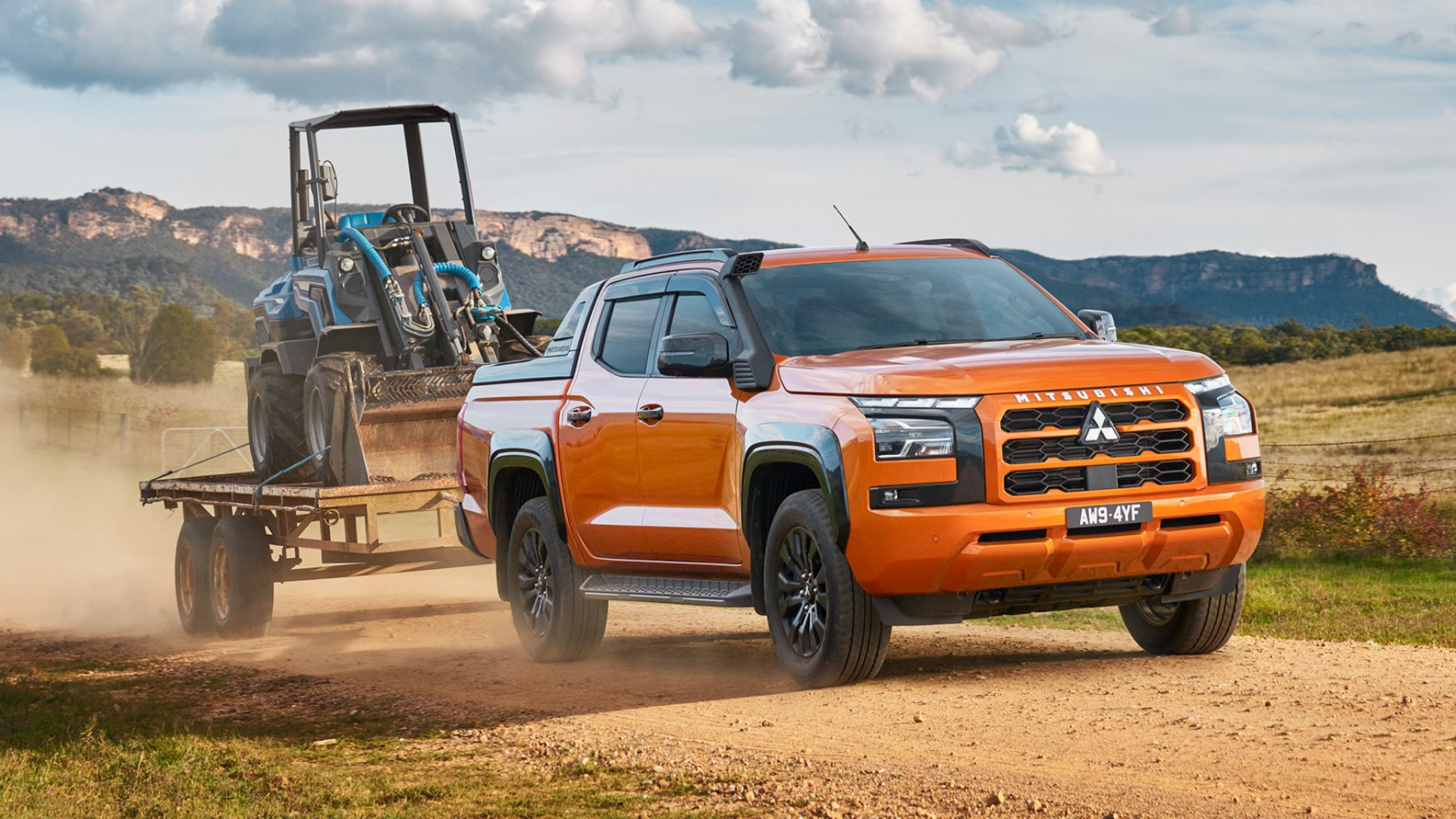
• Mitsubishi Triton. A consistent 3,500kg towing ceiling across the range, sharing much of its platform with the new Navara. Payload sits around 950kg on the sub-tonne GSR and Raider variants, a deliberate trade-off to keep those grades under FBT and novated lease thresholds, making it the lightest payload of this group on those variants.
• Toyota HiLux (9th generation). The current generation has the biggest GCM jump of any recent update, improving real-world towing while still carrying a reasonable payload. Payload sits at the lower end of the non-performance models (900kg–960kg), and GVM is tighter than the Ranger's, which can be the limiting factor for tradies loading trays heavily.
• Ford Ranger (mainstream grades). The highest payload ceiling of the group, up to 1,412kg on lower grades and still 985kg on the loaded-up Wildtrak. Genuine tow packs are only standard from XLT and above, needing to be optioned on XL and XLS.
• Ford Ranger Raptor. Worth calling out separately, because it isn't built around towing and payload the way the others are. Its towing capacity (2,500kg) is 1,000kg below the rest of the group, and payload is the lowest here (717kg–753kg). If you're regularly towing and carrying real loads for work, the Raptor isn't a genuine alternative, it's a performance and off-road vehicle first.
The bottom line: the Ranger (non-Raptor grades) leads on payload flexibility, the HiLux leads on real-world towing balance thanks to its GCM improvements, the Navara wins on towing consistency across its whole range, and the Triton is the pick if you're specifically after a sub-tonne payload for tax purposes. The Raptor should be considered on its own merits, not cross-shopped against the others for capability.

Why buy your commercial vehicle through Bartons?
Bartons has been a family-owned business since 1945, and it's still run day-to-day by the people who own it, not a distant head office. For commercial and trade customers, that means decisions about stock, trade-ins and finance get made locally, by people who are actually accountable for getting it right.
A few things that matter specifically if you're buying for work:
• Mobile servicing. Downtime costs tradies and commercial operators real money. Bartons offers mobile servicing so your vehicle can be looked after without it sitting idle in a workshop queue.
• Genuine multi-brand range. Because Bartons operates across several franchises, from Utes and vans through to trucks, you're not limited to comparing models within a single brand.
• Long-term local presence. Eight decades in the industry means Bartons has built the supplier relationships and local reputation that matter when you need the right vehicle, and the right advice, without the runaround.
“At Capalaba, we see this every day, tradies and small business owners who've been sold on a big towing number without anyone explaining what that actually costs them in payload. Getting the fit right the first time is the difference between a vehicle that works for your business and one you're trading in within twelve months,” says Michael Atkinson, Dealer Principal at Bartons Capalaba.
What Bartons offers
Bartons stocks both the Nissan Navara and Mitsubishi Triton, two of the strongest options in this comparison depending on what you need. If full towing capacity across every grade matters most to you, the Navara's consistency is hard to beat. If you're chasing a sub-tonne payload for FBT or novated lease reasons while still wanting a genuine 3,500kg tow rating, the Triton is worth a closer look.
Get the right vehicle for the job, not just the one that looks good
The most common mistake we see isn't buying the wrong brand, it's buying a vehicle that doesn't actually fit the job. A few examples of how this plays out:
A landscaper who regularly tows a loaded trailer full of equipment needs to check real payload-while-towing figures, not just the maximum towing number, or they'll find themselves overloaded the moment the ute tray has tools and materials in it too.
A tradie who buys a heavily accessorised, high-spec model for the look of it can end up with less usable payload than a base-model equivalent, because bullbars, canopies and driving lights all come out of the same weight allowance.
Getting the fit wrong the first time is expensive. It often means trading in again within a year or two once the mismatch becomes obvious, which costs far more than getting proper advice up front.
Tips for anyone researching their next work vehicle
Know exactly what the vehicle needs to do. Write down what you're carrying, how often you're towing, and what those loads actually weigh, not what you think they weigh. A landscaper's trailer and gear can easily hit numbers people underestimate.
Think about where your business is headed, not just where it is now. A sole trader working solo might only need a single-cab. But if you're planning to bring on a second person or take on bigger jobs within the next couple of years, it's often cheaper to buy the dual-cab now than to trade in early once you've outgrown the smaller option.
Factor in weekend and personal use. A young family that also wants to tow a boat or caravan on weekends has different priorities to a tradie using the vehicle purely for work. Be honest about how the vehicle will actually be used across its whole life, not just its primary purpose.
An industry on the move
Commercial vehicles are changing fast. Chinese manufacturers, having already established themselves in the passenger and SUV market, are now moving into trucks and light commercial vehicles, following a similar path to the one that saw Chinese brands go from unknown to mainstream in passenger vehicles over the past several years.
Bartons is already well placed here. Foton and Farizon are represented through East Coast Commercials, the group's dedicated commercial-vehicle operation based at Acacia Ridge in Brisbane and Robina on the Gold Coast. Foton Trucks Gold Coast has been trading since April 2026, and East Coast Commercials is actively retailing Farizon vehicles from Acacia Ridge, including both short and long-wheelbase SuperVan configurations and the Farizon H9E, a 4,495kg GVM electric truck.
Buying an electric van or truck is a different conversation
Choosing an electric commercial vehicle involves a different set of questions to a traditional Ute or diesel truck. Charging infrastructure, real-world range for your routes, how payload is affected by battery weight, energy costs versus fuel, and total cost of ownership over the life of the vehicle all need to be worked through properly, not assumed.
This matters most for businesses running metropolitan delivery fleets, last-mile logistics, council and government fleets with emissions targets, or trades and service businesses covering a defined local area. If that sounds like your business, it's worth a proper conversation before committing, rather than assuming an electric van or truck will simply slot into your current operation the same way a diesel one does.
Talk to us before you buy
Whether you're after your first work Ute or upgrading a fleet, or looking into Foton or Farizon trucks and vans through East Coast Commercials, getting the specifications right before you buy saves money and hassle down the track. If you're a tradie or small business owner across the Redlands, Bayside or greater Brisbane area, drop into Bartons and talk through what actually suits the job.