
Electric vs Hybrid vs Plug-in Hybrid: What's Best for Brisbane Driving?
Electric, hybrid and plug-in hybrid cars all use electric motors, but the way they work — and the way you live with them — can be very different.
For Brisbane drivers, choosing between them usually comes down to a few practical questions:
Can you charge at home? How far do you normally drive? How often do you take longer trips? And do you want to continue using petrol?
There is no single powertrain that is right for every driver.
A hybrid can make sense if you want improved fuel efficiency without plugging in. A plug-in hybrid can allow some everyday journeys to be completed using electricity while keeping a petrol engine available. A fully electric car removes the petrol engine altogether.
Here's how they compare.
What is the difference between an EV, hybrid and plug-in hybrid?
| Hybrid (HEV) | Plug-in Hybrid (PHEV) | Electric (BEV) | |
|---|---|---|---|
| Petrol engine | Yes | Yes | No |
| Electric motor | Yes | Yes | Yes |
| Plug in to charge | No | Yes | Yes |
| Electric-only driving | Limited and model dependent | Yes | Yes |
| Uses petrol | Yes | Yes | No |
| Home charging needed | No | Not essential, but regular charging makes better use of its EV capability | Recommended for convenience |
The biggest difference is what happens to the battery.
A conventional hybrid charges its battery while driving and does not need to be plugged in.
A plug-in hybrid has a larger battery that can be charged externally.
A battery electric vehicle runs entirely on electricity and must be charged.
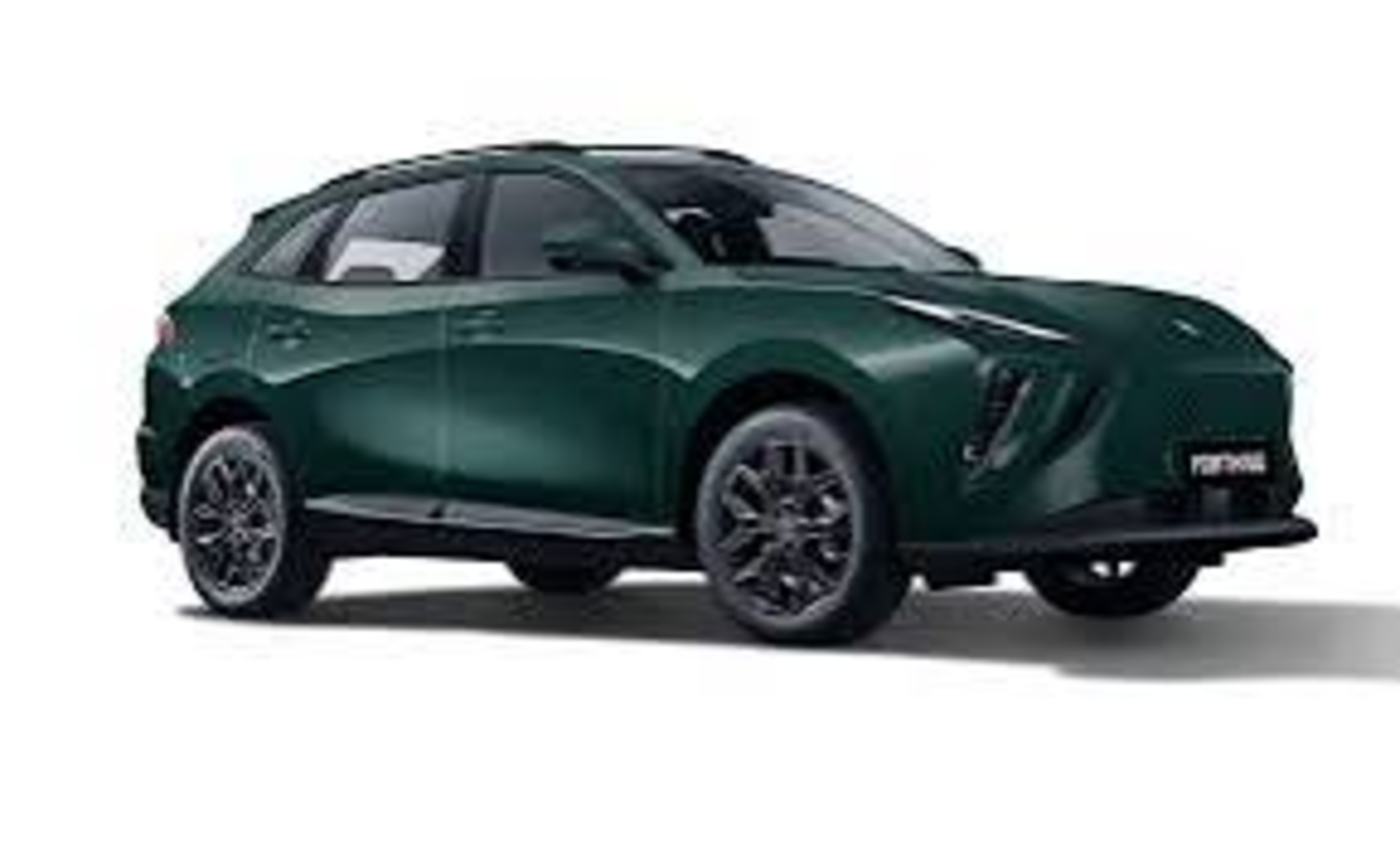
What is a hybrid car?
A hybrid electric vehicle, or HEV, combines an internal combustion engine with an electric motor and battery.
Unlike a plug-in hybrid or fully electric car, a conventional hybrid does not need to be connected to a charger.
The vehicle can recover energy while driving, including through regenerative braking, and automatically manages how the petrol engine and electric motor work together.
For the driver, that means the ownership experience remains relatively similar to a conventional petrol car.
You still visit a petrol station, but the electric motor can help reduce fuel use depending on the vehicle and driving conditions.
A hybrid could suit you if:
- You cannot conveniently charge at home
- You want to reduce fuel consumption
- You regularly drive in urban or stop-start conditions
- You want a familiar petrol-car ownership experience
- You are not ready to move to a fully electric vehicle
For Brisbane drivers who want electrification without thinking about charging, a hybrid can be one of the simplest options.
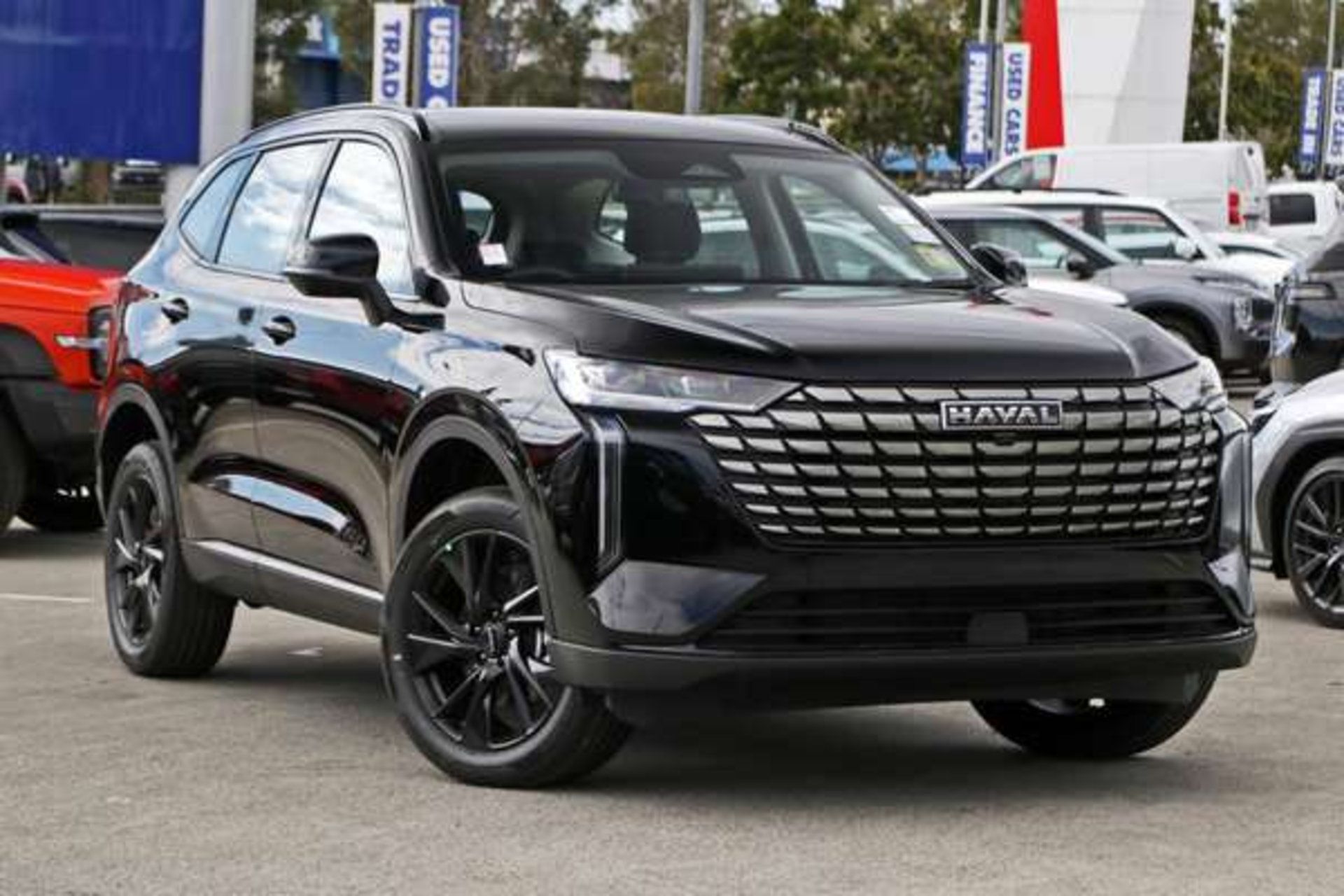
What is a plug-in hybrid?
A plug-in hybrid electric vehicle, or PHEV, combines a petrol engine with an electric motor and a battery that can be charged externally.
That larger battery allows a PHEV to travel further using electric power than a conventional hybrid.
Once the available battery charge is reduced, the petrol engine can continue to power the vehicle.
This can make a PHEV appealing to drivers who want to complete regular local journeys using electricity while keeping a petrol engine available for longer trips.
A plug-in hybrid could suit you if:
- You can regularly charge at home or work
- Many of your daily trips fit within the vehicle's electric range
- You still take longer journeys
- You want to use electricity for more of your everyday driving
- You are not ready to rely entirely on EV charging
The important part of owning a PHEV is using the plug.
If you rarely charge the battery, you may not get the full benefit of its electric driving capability.
What is a fully electric car?
A battery electric vehicle, or BEV, uses an electric motor and battery without a petrol or diesel engine.
Instead of filling up at a service station, you recharge the battery using electricity.
This can be done at home, at work or at a public charging station.
An EV could suit you if:
- You can conveniently charge at home or work
- Your daily driving is relatively predictable
- You want to drive without using petrol
- You are comfortable planning charging on longer journeys
- You want a fully electric driving experience
For Brisbane drivers who return home each night and have access to charging, an EV can fit naturally into everyday driving.
Want to know more about charging at home? Read EV Home Charging in Brisbane: What You Need to Know.
[INTERNAL LINK: Link the article title above to your EV Home Charging blog]
For additional information about home charging equipment and charging from a standard power point, you can also read the Australian Government's guide to charging an electric vehicle.
Which is best for commuting around Brisbane?
All three can work well, but they suit different situations.
Hybrid
A hybrid can work particularly well for drivers who spend plenty of time in urban and suburban traffic but do not have convenient access to charging.
There is no need to change your normal refuelling routine.
Plug-in Hybrid
A PHEV can work well when your regular commute fits within the vehicle's available electric driving range and you can recharge frequently.
That can allow more of your normal weekday driving to be completed using electricity while keeping petrol available when needed.
Electric
An EV can suit predictable daily commuting particularly well when you can charge at home.
Instead of making a separate trip to refuel, you can plug the vehicle in when you return home and replace the energy you have used.
What if I commute from Bayside or Redlands into Brisbane?
Start by checking your actual return distance.
Think about your entire day:
Home → work → school → shops → home
rather than simply looking at the distance from your house to the CBD.
If that daily distance is comfortably within an EV's available range and you can recharge at home, an electric vehicle may be practical.
If you cannot conveniently charge, a conventional hybrid may be easier to live with.
A PHEV sits between the two and can be worth considering when your normal commute fits within its electric capability but you still want a petrol engine for longer journeys.
Which is better for longer trips?
This is where the ownership experience differs most.
Hybrid
A hybrid continues using petrol and can be refuelled at a service station in the same way as a conventional vehicle.
Plug-in Hybrid
A PHEV can use petrol once the available battery charge is reduced, giving you the flexibility to continue a longer trip without relying solely on charging.
Electric
An EV requires charging.
For longer trips, you may need to plan around DC fast chargers depending on your vehicle's range, your destination and the distance you are travelling.
Australia's public charging network continues to expand, and route-planning tools can help identify suitable charging locations.
The Australian Government's EV trip-planning guide also provides information about planning charging stops and links to EV charging maps, including the Queensland Electric Super Highway map.
If long-distance driving is an important part of your lifestyle, compare range and DC charging performance, not just battery size.
Read our guide to How Much EV Range Do You Really Need for Driving Around Brisbane?
[INTERNAL LINK: Link the article title above to your EV Range Guide]
Which is cheaper to run?
There is no universal answer because running costs depend on the vehicle and how you use it.
Electric
An EV charged at home can have relatively low energy costs, particularly if you have a favourable electricity tariff or access to rooftop solar.
Read How Much Does It Cost to Charge an Electric Car in Brisbane? for a detailed breakdown.
[INTERNAL LINK: Link the article title above to your EV Charging Costs Guide]
Hybrid
A hybrid still uses petrol, but its electric motor can help reduce fuel consumption compared with a comparable conventional vehicle depending on driving conditions.
Plug-in Hybrid
PHEV running costs can depend heavily on how often the vehicle is charged.
A driver who regularly charges and completes much of their normal driving using electricity can have a very different experience from someone who rarely plugs the vehicle in.
When comparing running costs, use the figures for the specific vehicles you are considering rather than assuming one powertrain will always be cheaper.
Which requires the least maintenance?
Fully electric vehicles have fewer traditional engine components because there is no internal combustion engine.
However, EVs still require scheduled servicing and maintenance.
Tyres, suspension, brakes, cooling systems, air conditioning and other components still need to be checked and maintained.
Hybrids and PHEVs still have an internal combustion engine, so they retain many of the servicing requirements associated with petrol vehicles alongside their electrified components.
Always check the manufacturer's servicing schedule and costs for the individual vehicle you are considering.
What about regenerative braking?
Electric cars, hybrids and plug-in hybrids can use regenerative braking.
Instead of wasting all of the vehicle's kinetic energy as heat when slowing down, regenerative braking allows some of that energy to be recovered and sent back to the battery.
How the system feels and how strongly it slows the vehicle varies between models.
Some fully electric vehicles also offer stronger regenerative braking or one-pedal driving modes.
This can make a test drive particularly useful when comparing different electrified vehicles.
Electric vs hybrid vs PHEV: which should you choose?
A simple starting point is:
Can't conveniently charge at home?
Start by comparing hybrids.
You get the benefit of an electric motor without needing to plug the vehicle in.
Can charge regularly but still want a petrol engine?
Look at plug-in hybrids.
They can allow you to use electricity for regular local trips while keeping a petrol engine available.
Can charge regularly and want to stop using petrol?
Consider a fully electric vehicle.
Home charging can make everyday EV ownership particularly convenient.
From there, compare your budget, vehicle size, daily kilometres, longer-distance travel, charging access and the individual models available.
Electric, Hybrid and Plug-in Hybrid Cars Available at Bartons
Once you know which type of powertrain may suit you, the next step is comparing the actual vehicles available.
Across Bartons dealerships in Wynnum and Capalaba, you can explore a growing range of electric, hybrid and plug-in hybrid vehicles from a number of different brands.
Depending on the model, options range from fully electric passenger cars and SUVs through to hybrids and plug-in hybrids that combine electric driving with the flexibility of a petrol engine.
When comparing individual vehicles, consider:
- Your normal daily driving distance
- Access to charging at home or work
- Vehicle size and passenger space
- Driving range
- Fuel and electricity consumption
- AC and DC charging capabilities
- Towing requirements
- Purchase price and ongoing running costs
The right choice isn't necessarily the vehicle with the largest battery, longest range or lowest advertised fuel consumption. It is the vehicle and powertrain that best fit the way you actually drive.
Compare Electric, Hybrid and Plug-in Hybrid Cars in Brisbane
Bartons offers a growing range of electric, hybrid and plug-in hybrid vehicles across our Wynnum and Capalaba dealerships.
Explore our Electric & Hybrid Vehicles range to compare different powertrains, vehicle sizes, driving ranges and charging capabilities and find an option that suits how you actually drive around Brisbane, Bayside, Redlands and beyond.
Not sure which option suits you? Our team can help you compare different powertrains and vehicles based on your normal driving, charging access and what you're looking for in your next car.
Frequently Asked Questions
What is the main difference between a hybrid and an electric car?
What's the difference between a hybrid and plug-in hybrid?
Do hybrid cars need to be plugged in?
Is an electric car suitable for driving around Brisbane?
Is a plug-in hybrid worth it if I can't charge at home?
Should I buy an EV with the longest possible range?
About the Author
Pauline Caratao – EV and Hybrid Specialist, Bartons Motor Group
Pauline is an EV and Hybrid Specialist at Bartons Motor Group, helping Brisbane drivers understand and compare electric, hybrid and plug-in hybrid vehicles across the Bartons range.
Last updated: October 2026